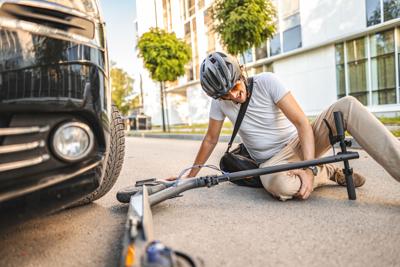



In most of the United States, drivers are required to carry liability insurance on their vehicles. This insurance will pay for injuries and damages that a driver causes to others in car accidents. Even so, millions of people get behind the wheel without having the proper insurance. When one of those drivers crashes into you, the normal process of filing a claim with an insurance company can break down. You may be left with medical bills, a damaged car, and missed paychecks, with no clear idea of who is going to pay for your losses.
If you have been hit by a driver who has no insurance, you can take steps to protect your ability to receive compensation. In many cases, you will be eligible for coverage that can provide payments for your losses. Talking with an attorney early on can help you understand what may be covered while avoiding mistakes that could hurt your claim.
How Many Drivers in the United States Are Uninsured?
People are also reading…
Uninsured drivers are more common than many people realize. According to the Insurance Research Council, 15.4% of drivers nationwide were uninsured in 2023. That works out to more than one out of every seven drivers on the road.
The numbers vary widely from state to state. According to the Insurance Information Institute, Mississippi had the highest rate of uninsured drivers, at 28.2%, followed by New Mexico at 24.1% and the District of Columbia at 23.1%. Other states with more than 20% of drivers who are uninsured include Michigan, Tennessee, Missouri, Florida, and California.
What Should You Do After an Accident With an Uninsured Driver?
The steps you take in the first hours and days after a crash can make a big difference later. If you are able, you can try to do the following:
- Call 911 and report the accident. A police report will create an official record that provides important details, including showing that the other driver was uninsured and assigning fault for the crash.
- Get medical care right away, even if you feel fine. Some injuries, like concussions or internal injuries, may not show symptoms at first.
- Take photos of the vehicles, the scene, road conditions, and any visible injuries.
- Gather the other driver's name, contact information, license plate number, and driver's license number.
- Get names and phone numbers from any witnesses.
- Notify your own insurance company. Many policies require you to report an uninsured motorist claim within a short time.
- Avoid giving a recorded statement or signing documents before you understand your rights.
What Damages Can a Car Accident Cause?
In legal terms, "damages" are the money a person may be able to recover for the harm they have suffered because of someone else’s negligence. In car accidents, damages usually fall into two main groups:
Economic Damages
Economic damages are losses that have a clear dollar amount. These can include ambulance transportation, emergency room bills, hospital stays, surgery, physical therapy, and prescription medications. They may also include lost wages if you cannot work while you recover, as well as lost future earnings if your injuries keep you from returning to your job. Car repairs, rental car expenses, and the costs of replacing a vehicle fall into this group as well.
Non-Economic Damages
Non-economic damages cover losses that are harder to put a price on. These include physical pain, emotional distress, anxiety after the crash, and loss of enjoyment of life. For example, if your injuries keep you from playing with your children or enjoying your favorite hobby, that loss may be part of your claim.
Why Is it Hard to Get Paid When the Other Driver Has No Insurance?
In most accidents, a person who has been injured can file a claim with the insurance company of the driver who was at fault for the crash. When there is no insurance, that option disappears.
You still have the right to file a lawsuit against the uninsured driver personally. However, many people drive without insurance because they cannot afford it. That often means that they do not have money or property that could be used to pay a court judgment. While you may be able to win a lawsuit, you may not be able to collect any money.
In some cases, uninsured drivers may leave the scene of an accident, give false information, or deny that they caused a crash. In hit-and-run cases, police may take steps to identify a driver, and they may face traffic crime charges. However, if there is no insurance to pay for your damages, you may worry that you will be required to pay the costs out of your own pocket.
How Does Uninsured Motorist Coverage Help?
Uninsured motorist coverage, which is often called UM coverage, is part of your own auto insurance policy. It can pay for your losses when a driver who caused an accident has no insurance. In many states, this coverage will also apply to hit-and-run accidents.
What Does Uninsured Motorist Coverage Pay For?
UM coverage may help cover medical bills, lost wages, and pain and suffering, up to the limits of your policy. Depending on your policy, it may also help pay for repairs to your car. The amount you can receive depends on the coverage limits you chose when you bought your policy.
What Is the Difference Between Uninsured and Underinsured Motorist Coverage?
Underinsured motorist coverage, or UIM coverage, works in a similar way. It may be available when a driver who was at fault for an accident has insurance, but their policy limits are too low to cover all of your losses. UIM coverage can help fill the gap between what the other driver's insurance will pay and what you actually lost.
Do State Laws Require Uninsured Motorist Coverage?
In many states, UM coverage is required to be a part of every liability insurance policy. Some states may require insurance companies to offer UM coverage, but they may allow drivers to turn down that coverage. If you signed a form rejecting UM coverage, you may not have it, so it is important to review your policy.
How Can an Attorney Help After an Accident With an Uninsured Driver?
If you are dealing with serious injuries and large bills after a car accident, you may struggle to get your insurance company to provide the proper coverage. Your insurer may dispute who caused the crash, question whether medical treatment was necessary, or offer less than your claim is worth. An attorney who handles car accidents involving uninsured drivers can review your policy to find out what coverage is available, gather evidence to support your claim, calculate the full value of your damages, and negotiate with the insurance company to ensure that you can receive the coverage you deserve.