

If it were not for the Quad-City Bank & Trust, Mike Osborn may not have been able to survive the COVID-19 pandemic as a restauranteur.
The bank not only helped secure Osborn with payroll protection program, or PPP, funds last year. It also helped the longtime owner of Miss Mamie’s restaurant in Moline launch his newest eatery two years ago.
“They put us where we needed to be,” Osborn said.
After COVID hit early in 2020, the bank helped Osborn secure two rounds of PPP, which was federal funding handed down to businesses and other entities to help them financially during the pandemic.
“Without PPP, you would have seen total devastation in the industry,” he said. “PPP helped us stay afloat.”
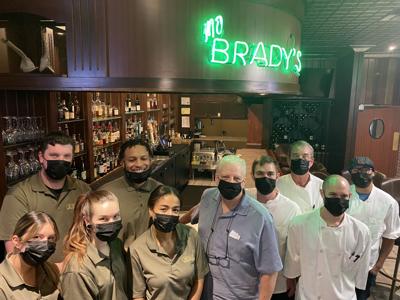
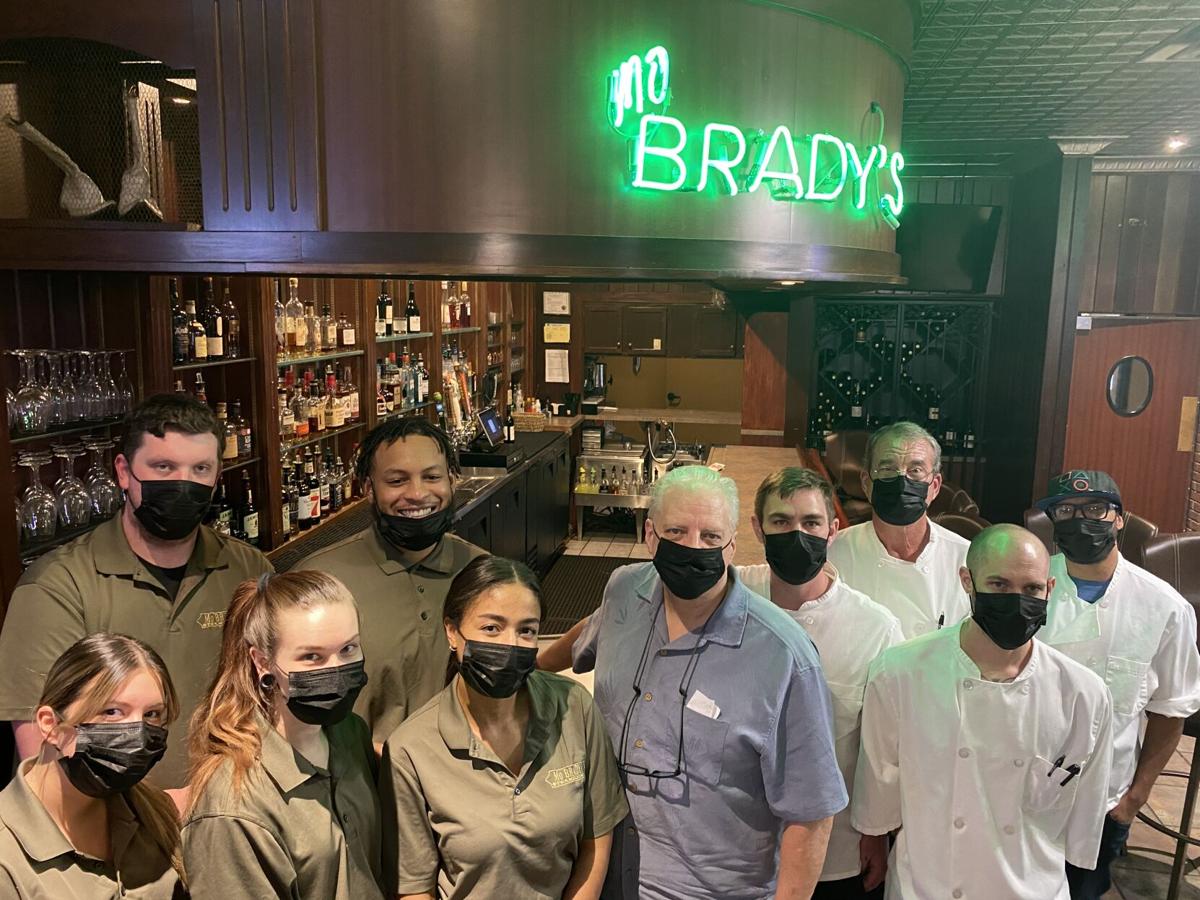
Osborn estimates that between his three restaurants – he also owns Mo Brady’s Steakhouse and Half Nelson, both in Davenport – the COVID shutdowns in March 2020 caused sales to fall 50 to 60 percent almost overnight.
“When the governors mandated that we have no in-house dining, for three weeks we were completely shut down,” he said. “We were not even doing to-go orders yet. At the time there was virtually no revenue for a month.”
A shutdown can spell doom for an industry where average annual profits only get to about 5 percent and there is not a lot of cash in reserves. Osborn said that the Quad-Cities may have lost about 20 percent of its restaurants last year largely due to the pandemic.
He called the PPP funds “a lifeline,” and said it was that and developing new methods of carry out and food delivery that helped him through the rough patch.
His restaurants are back open on both sides of the river, but in Illinois he still must keep seating capacity at 50 percent. He requires his staff to wear masks, whether mandated by the government or not, and he continues to respect the 6 feet social distancing recommendations.
Employees get their temperatures taken, tables are sanitized after each use, and condiments like salt and pepper are dispensed in single use servings.
While customer and staff safety is Osborn’s foremost concern, like other restaurant owners he has used the pandemic as an opportunity to streamline operations.
Miss Mamie’s, for example, is open until 8 p.m. during the week when it used to stay open an hour later. Osborn said that last hour was not a very busy time, even before the pandemic.
The restaurants are now closed on Mondays when they used to be seven-day-a-week operations. Osborn reasoned that Mondays have traditionally been the slowest day of the week in the restaurant industry.
The reduction in hours is not all COVID related. Osborn said a labor crunch is hitting the country at a time when job opportunities are exploding.
“There are plenty of jobs available, but not enough people,” he said. “I think the ship will right itself. By the fall things should normalize.”
Sales are not quite where they were pre-COVID, but Osborn is confident they’ll get there. He understands some people may still be hesitant about venturing out, but he insists restaurants are probably the cleanest and most sanitized they’ve ever been.
“The restaurant industry has always been held to the highest standards with regards to cleanliness,” he said. “COVID reinforced all of that.”
He’s confident that as people get back together, they’ll keep a favorite restaurant in mind as a place to meet up and socialize.
“Maybe there are people you haven’t seen in a while,” he said. “Restaurants are a great vehicle to make that happen. Restaurants have always been about more than the food. The conviviality of getting together, sharing good experiences, and happiness – that’s what restaurants are all about.”