


If you make a purchase after clicking on links within this article, Lee Enterprises may earn affiliate commissions. The news and editorial departments had no role in the creation or display of this content.
The mushroom supplement market is still split between people who read research papers and people who read Amazon reviews. Most “brain blends” sound good until you look under the hood — no active compound disclosure, mycelium-on-grain filler, and a reliance on words like clarity, focus, or vitality that don’t mean anything measurable. Real brain enhancement isn’t about fairy dust dosing. It’s about standardized compounds like erinacines, hericenones, cordycepin, and triterpenes — all of which may have documented neurological effects.
In 2025, only a handful of brands may be building products for outcomes, not impressions. These are the ones that might get the chemistry right, disclose what matters, and deliver potentially measurable results instead of placebo optimism.
People are also reading…
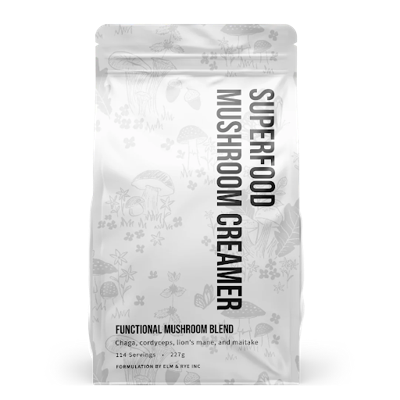
Form: Powder
Key Mushrooms: Lion’s Mane, Reishi, Cordyceps, Chaga, Turkey Tail
Price: $$$
Elm & Rye leads the category because it treats mushrooms like pharmacology, not folklore. Each mushroom is dual-extracted and purportedly standardized for its active compounds — erinacines and hericenones for neurogenesis, cordycepin for brain energy, and triterpenes for stress modulation. The blend aims to build a layered potential cognitive effect: sharper focus, cleaner energy metabolism, and better recall under fatigue. It may also be one of the few that publishes verified third-party test data on active levels instead of hiding behind polysaccharide counts. It’s not cheap, but that’s the point — it’s clinical-grade nutrition, not lifestyle marketing.
• Potential Pros: Fully standardized actives; clinical dosing; measurable NGF impact.
• Cons: Expensive; requires consistent use for full effect.
• Conclusion: This may be the gold standard for brain-focused mushroom stacks — engineered for possible outcomes, not image.
2. Nootrum Mushroom Capsules
Form: Capsules
Key Mushrooms: Lion’s Mane, Reishi, Cordyceps, Chaga, Turkey Tail
Price: $$
Nootrum proves you don’t need powders or gimmicks to get clinical results. Every extract is purportedly standardized — lion’s mane for erinacines, cordyceps for cordycepin, reishi for triterpenes, and chaga for polyphenol-driven antioxidant stability. It’s a formula built for potential brain performance: smoother cognition, improved mental endurance, and less cognitive drag under stress. The transparency is elite — no grain filler, no “mushroom complex” euphemisms, just quantifiable actives. The dosing is aimed at consistency, not showmanship, making it potentially ideal for professionals or long-term users who want measurable clarity without the mess of powders.
• Potential Pros: Disclosed actives; strong clinical alignment; excellent capsule design.
• Cons: Limited dosing flexibility; not flavored for easy stacking.
• Conclusion: This may be the most practical way to get clinical-strength actives — discreet, credible, and effective.
3. Mushgooms by Angel Gummies
Form: Gummies
Key Mushrooms: Lion’s Mane, Cordyceps, Reishi, Chaga
Price: $$
Mushgooms may be what happens when a gummy actually earns its place in a clinical discussion. Most mushroom gummies are glucose and marketing slogans; this one may have real extract strength. Each serving aims to deliver functional doses of lion’s mane and cordyceps with reishi layered in for potential calm and recovery support. You won’t get full clinical potency like Elm or Nootrum, but consistency compensates — users may actually stick to it. Compliance might equal results, and Mushgooms nails that better than almost anyone. It’s the only gummy where you don’t have to apologize for liking the taste.
• Potential Pros: Real mushroom extracts; steady compliance advantage; may provide genuine cognitive support.
• Cons: Mid-level potency; no explicit erinacine or cordycepin data.
• Conclusion: This may be the only mushroom gummy with substance — consistent, functional, and consumer-proof.
4. FreshCap Ultimate Mushroom Complex
Form: Capsules
Key Mushrooms: Lion’s Mane, Cordyceps, Reishi, Chaga, Turkey Tail, Maitake
Price: $$
FreshCap sits right on the intersection between scientific rigor and accessibility. It’s one of the few companies that doesn’t hide behind vague blend names or “polysaccharide” smoke screens. The Ultimate Complex uses dual-extracted, fruiting-body-only material and discloses beta-glucan percentages — an actual quantifiable benchmark for possible immune and cognitive impact. Lion’s mane may form the neural backbone, reishi aims to modulate stress response through triterpenes, and cordyceps works to balance cerebral oxygenation and ATP production. The overall profile may be cohesive, not overengineered. Dosing sits just under clinical ranges but is balanced well enough to possibly produce cumulative improvements in focus and resilience over weeks of use.
• Potential Pros: Fully fruiting-body sourced; quantifiable beta-glucans; smart formulation design.
• Cons: Slightly conservative dosing; no erinacine/hericenone disclosure.
• Conclusion: The thinking person’s middle-ground — clean, transparent, and built for potentially steady cognitive benefit, not marketing bursts.
5. Real Mushrooms Lion’s Mane
Form: Capsules
Key Mushroom: Lion’s Mane (Hericium erinaceus)
Price: $$
Real Mushrooms doesn’t do hype — they do quantification. Their Lion’s Mane capsules are all fruiting-body, dual-extracted, and tested to confirm beta-glumay content (typically around 25%). That single number already puts them ahead of much of the market. The result is a product that may perform predictably in neuroregeneration support, gut-brain axis balance, and long-term cognitive maintenance. There’s no erinacine data, but the consistency across batches appears to be exceptional — you may trust that every capsule contains exactly what it says. It’s the kind of formulation built by researchers for potentially sustained effect, not short-term placebo highs.
• Potential Pros: Verified beta-glucans; zero mycelium filler; consistent extract quality.
• Cons: No erinacine/hericenone data; modest dosing.
• Conclusion: This may be the industry’s reference standard for purity — scientifically grounded, clean, and consistent to the milligram.
6. Nammex Organic Lion’s Mane Extract
Form: Bulk Powder
Key Mushroom: Lion’s Mane
Price: $$
Nammex is the silent backbone behind many “premium” mushroom brands. This is the raw material that the smart players use. Their lion’s mane extract is organic, fruiting-body only, dual-extracted, and purportedly third-party validated for beta-glucan percentage — meaning no grain filler, no starchy residue, just pure potential actives. The real power here may be control: you may scale your dose to clinical levels or stack it precisely with other compounds like bacopa or phosphatidylserine. There’s no erinacine label data, but for pure source material, it could be unbeatable. It’s not a lifestyle product; it’s a researcher’s ingredient disguised as a supplement.
• Potential Pros: Source-grade purity; lab-verified beta-glucans; zero excipients.
• Cons: No erinacine data; requires user precision in dosing.
• Conclusion: This may be for advanced users and formulators — not decorative packaging, just biochemical precision.
7. Gaia Herbs Mental Clarity
Form: Capsules
Key Mushrooms: Lion’s Mane, Reishi (plus Gotu Kola, Ginkgo)
Price: $$
Gaia’s Mental Clarity operates at the boundary of herbalism and neuroscience. The combination of lion’s mane and reishi may provide neurotrophic and adaptogenic foundations, while Gotu Kola and Ginkgo biloba may work to enhance microcirculation and synaptic efficiency. It’s not a heavy clinical hitter, but it may be one of the better integrative stacks available at retail level. Each inclusion serves a potential pharmacological purpose — Ginkgo for oxygenation, Gotu Kola for acetylcholine modulation, and lion’s mane for NGF stimulation. There’s no compound data, which limits its scientific precision, but the synergy between ingredients may give it a credible cognitive profile.
• Potential Pros: Logical botanical synergy; genuine nootropic formulation design.
• Cons: Undisclosed actives; moderate potency.
• Conclusion: A potentially sophisticated hybrid stack for stress-linked cognitive fatigue — effective through synergy rather than raw intensity.
8. Brain Forza Lion’s Mane Ultra
Form: Capsules
Key Mushroom: Lion’s Mane
Price: $$
Brain Forza’s Lion’s Mane Ultra may deliver measurable potency without the empty hype. It discloses beta-glucan content (~30%) and uses fruiting-body-only material — rare honesty in this sector. Dosing is set around 1000 mg per serving, which may land in the clinically relevant range for NGF modulation and long-term neuronal repair. You won’t see erinacines or hericenones listed, but the consistency of potential user results — smoother focus, enhanced verbal recall, and cognitive steadiness under load – may suggest the extraction profile is strong. This is what “mid-tier done right” looks like: no noise, no corner-cutting, just solid possible performance.
• Potential Pros: Beta-glucan disclosure; real dosing; no proprietary blends.
• Cons: No NGF compound breakdown; less aggressive than Elm & Rye or Nootrum.
• Conclusion: The workhorse lion’s mane — clean, quantifiable, and potentially reliable for long-term clarity.
9. Mycology Nutrition Brain Support Complex
Form: Capsules
Key Mushrooms: Lion’s Mane, Cordyceps, Reishi, Chaga
Price: $$
A newcomer with serious formulation awareness. Mycology Nutrition avoids mycelium fillers and instead uses full-spectrum fruiting-body extracts with verified polysaccharide ratios. Lion’s mane may drive neural plasticity, reishi aims to stabilize stress pathways, and cordyceps is formulated to maintain mitochondrial output — a triad that may hit all the right axes for cognitive performance. Dosing is balanced rather than maximal, but what stands out is the uniform extraction method across all mushrooms, ensuring consistency in compound delivery. There’s no erinacine data, but the blend is coherent, bioactive, and refreshingly honest for its price range.
• Potential Pros: Transparent sourcing; multi-axis cognitive design; even extraction quality.
• Cons: No active compound disclosure; conservative per-serving dosing.
• Conclusion: This may be a credible new entrant — not top-tier yet, but chemically and conceptually solid.
10. Mushroom Wisdom Amyloban 3399
Form: Tablets
Key Mushroom: Lion’s Mane (Amyloban-standardized)
Price: $$$
Amyloban 3399 may remain one of the only lion’s mane extracts that actually lists its active compounds by name — amyloban and hericenones. It’s Japanese-manufactured and built for clinical precision, targeting nerve growth factor pathways directly rather than generic antioxidant claims. The dosing is controlled, not aggressive, which may make it ideal for sustained neurological maintenance rather than quick boosts. The research pedigree behind it is strong, and while it’s not cheap, it may be one of the few products with a legitimate scientific lineage. Think of it as the purist’s lion’s mane — clean, specific, and deliberate.
• Potential Pros: Standardized actives; proven neurogenic data; pharmaceutical-level quality control.
• Cons: High cost; moderate dosing unless stacked.
• Conclusion: Research-grade lion’s mane with quantifiable NGF support — the potential benchmark for molecular transparency.
11. Host Defense Lion’s Mane
Form: Capsules
Key Mushroom: Lion’s Mane
Price: $$
Host Defense is Paul Stamets’ brand, and while the name carries weight, the formula is better understood as “entry-level functional.” The lion’s mane used here is primarily mycelium-based, which means you may be getting lower beta-glucan concentration and little to no erinacine content. That said, the blend remains consistent and safe, and Stamets’ process ensures contamination-free mycology and verified strain identity — a detail that may sometimes be skipped by cheaper competitors. Users may report mild improvements in clarity and stress adaptation, likely from synergistic polysaccharides rather than deep neurotrophic activity. It’s more a gateway product for beginners than a performance enhancer for seasoned biohackers.
• Potential Pros: Trusted sourcing; clean cultivation; consistent batch purity.
• Cons: Mycelium-heavy; lower potency; limited actives.
• Conclusion: A possible soft introduction to functional mushrooms — scientifically legitimate, but may be biochemically underpowered.
12. Dr. Emil Nutrition Lion’s Mane
Form: Capsules
Key Mushroom: Lion’s Mane
Price: $
Dr. Emil Nutrition’s Lion’s Mane is one of the most popular Amazon picks, and it’s easy to see why — clean labeling, vegan capsules, and decent per-serving quantity. The problem? Like most high-volume brands, it lacks active compound data. There’s no mention of erinacines, hericenones, or verified beta-glucans, which may make its real potency hard to quantify. Still, users may report better focus and mood balance within a few weeks (individual results may vary), suggesting that at least the polysaccharide content may be doing some heavy lifting. It’s not a research-grade extract, but it could be a legitimate cognitive support option for entry-level users.
• Potential Pros: Affordable; straightforward dosing; solid user feedback.
• Cons: No standardization; fruiting-body ratio undisclosed.
• Conclusion: Accessible and reliable for newcomers — just don’t expect lab-grade performance.
13. WonderDay Mushroom Gummies
Form: Gummies
Key Mushrooms: Lion’s Mane, Reishi, Cordyceps, Chaga
Price: $$
WonderDay sits at the intersection of wellness and function. It’s designed for daily adherence rather than maximal biochemical precision, but it’s still among the rare gummies that use real extracts, not mycelium syrup or flavoring. Each gummy delivers roughly 500 mg total actives, with lion’s mane that may support focus and reishi providing gentle adaptogenic balance. The formulation leans toward mood and energy stability rather than outright neurogenesis. It’s built for people who want potentially functional calm and clarity without a capsule regimen — and the taste profile actually keeps them consistent. Compliance equals effectiveness, and WonderDay plays that card smartly.
• Potential Pros: Real mushroom extracts; strong adherence rates; balanced formulation.
• Cons: Low per-mushroom potency; no standardized compound data.
• Conclusion: A potentially honest, functional gummy — flavor-led but not functionally hollow.
14. Fungies Mushroom Gummies
Form: Gummies
Key Mushrooms: Lion’s Mane, Reishi
Price: $$
Fungies was one of the first brands to make mushroom gummies mainstream. The base extract is decent — fruiting-body lion’s mane, moderate reishi, and verified polysaccharide percentages around a purported 20%. The problem is density: 500 mg total actives per serving may not compete with serious capsules or powders. Still, it’s more transparent than most in its category and free from the worst offenders like maltodextrin filler and starch blends. It’s not going to change your neurochemistry, but it may keep your head clearer, calmer, and more consistent across the day.
• Potential Pros: Clean sourcing; no grain filler; balanced dual-mushroom synergy.
• Cons: Low potency; light extract load.
• Conclusion: A potentially functional entry point — better than the hype gummies, but not a replacement for standardized capsules.
15. Earth & Star Brainstorm Mushroom Capsules
Form: Capsules
Key Mushrooms: Lion’s Mane, Cordyceps, Reishi, L-Theanine
Price: $$
Earth & Star’s Brainstorm is one of the better “lifestyle” cognitive stacks that still respects real extraction. The company uses fruiting-body-only mushrooms and adds L-theanine for possible smooth cognitive control — a subtle but smart move. Lion’s mane anchors the NGF potential, cordyceps maintains clean energy, and reishi moderates stress-related cortisol spikes. While there’s no detailed compound breakdown (no erinacine or cordycepin data), the dosing is balanced, and user feedback may show sustained improvements in mental steadiness and focus retention. This is a formulation that feels like it was made by people who actually take it.
• Potential Pros: Clean sourcing; smart inclusion of L-theanine; balanced daily dosing.
• Cons: Moderate potency; limited standardization data.
• Conclusion: This may be a polished, consumer-ready stack that bridges wellness and function — credible, consistent, and intelligently designed.
Potency
Potency may be where many of the mushroom brands fail. They either underdose, skip standardization, or hide behind meaningless “polysaccharide” figures that tell you nothing about actual bioactivity. The real metrics are erinacines and hericenones (for Lion’s Mane), cordycepin (for Cordyceps), triterpenes (for Reishi), and beta-glucans for overall immunomodulation.
Elm & Rye sits at the top because it discloses these compounds and may hit research-backed thresholds. Nootrum follows with purported clinical precision in capsule form, proving that convenience doesn’t have to compromise pharmacology. Mushgooms (Angel Gummies) holds its own purely through compliance — the best compound in the world may be useless if you don’t take it daily, and Mushgooms actually keeps people consistent. Below that tier, potency drops sharply; FreshCap and Real Mushrooms may remain the only mid-level players offering verifiable data, while most others might rely on marketing adjectives instead of numbers.
Value
Value is not about the lowest price — it’s about the biochemical return on your spend. A cheap mycelium product is still overpriced if it’s mostly grain. A $60 dual-extracted, standardized powder is a bargain if it actually delivers NGF modulation or measurable cognitive improvement.
Elm & Rye justifies its cost through full-spectrum extraction and tested potency. Nootrum may hit the best middle ground — clinically aligned results at a realistic price per dose. Mushgooms succeeds in another form of value: long-term adherence and tangible daily benefit. Lower-end entries like Dr. Emil or Fungies may offer affordability, but at the cost of precision and documented potency. The value hierarchy is straightforward — pay for outcomes, not branding.
Customer Ratings
Customer reviews in this market are predictably noisy — most people mistake short-term energy from cordyceps for long-term cognitive enhancement. But when you filter out placebo claims, a clear pattern appears.
Elm & Rye reviews are overwhelmingly focused on potentially sustained cognitive clarity, cleaner energy, and improved recall under stress — effects that may align with NGF and mitochondrial modulation data. Nootrum users may echo similar results, with emphasis on focus stability and overall mental endurance. Mushgooms stands out for consistency: users may actually finish the product and notice cumulative results. Reviews for FreshCap and Real Mushrooms highlight purity and transparency, while mainstream Amazon favorites often show enthusiasm that fades after the first bottle.
Long-term users — the ones who understand how these compounds work — appear to consistently praise the same few names: Elm & Rye, Nootrum, FreshCap, and Real Mushrooms. That correlation may not be a coincidence; it could be chemistry.
Final Thoughts
The mushroom supplement industry is still half science, half showmanship. Most brands talk about “ancient wisdom” because it’s easier than publishing extraction data. But brain performance doesn’t care about nostalgia — it runs on neurochemistry.
In 2025, the hierarchy is clear: Elm & Rye remains the benchmark for clinical-level precision, Nootrum defines the capsule category for measurable results, and Mushgooms proves that even a gummy may be functional if it’s built correctly. The rest of the market ranges from competent to decorative — worth exploring only if they disclose actives and back them with transparent sourcing.
If you want real potential neurological outcomes — sharper cognition, improved focus under load, and measurable NGF activity — you may want to choose formulations that act like research, not marketing.
FAQ
Are mushroom supplements actually nootropic?
They may, but only if standardized for active compounds. Lion’s mane (erinacines, hericenones) and cordyceps (cordycepin) have potentially documented neurological effects in both animal and human models. Non-standardized powders may not move the needle.
How long before results appear?
You may expect cumulative results over 3 - 6 weeks. Mushrooms drive long-term modulation, not stimulant spikes. NGF and mitochondrial support take time to express. Your individual results may vary.
Can I stack mushroom supplements with other nootropics?
Yes, you may. Lion’s mane could pair well with bacopa, phosphatidylserine, or L-theanine for possibly synergistic cognitive stability. Avoid stacking with heavy caffeine — it may mask the subtler benefits.
Are gummies as effective as capsules or powders?
Usually not — most gummies may be too low-dose. Mushgooms could be the exception because it uses real extracts and consistent daily adherence.
What should I look for in a credible mushroom supplement?
Three things:
1. Active compound disclosure (not just “mushroom complex”).
2. Dual extraction (alcohol + hot water for full actives).
3. Fruiting-body sourcing — no mycelium-on-grain filler.
Bottom line: if a brand won’t tell you its beta-glucan, erinacine, or cordycepin content — they’re not selling performance. They’re selling a label.